The Art of Artistic Blur: How to Transform an Ordinary Scene into a Photographic Painting

Updated: 7 hours ago
We are often told that the key to a good photograph lies in its sharpness, its crispness and the precision of its details. But what happens when we decide to free the lens from this quest for perfection?
By making room for blur, movement and multiple exposures, the camera stops being a simple documentation tool and becomes a brush. We no longer try to freeze an exact reality, but to capture an emotion, an atmosphere, a fleeting memory.
Dive with me into the world of impressionist photography and discover how to metamorphose an everyday scene into a true luminous painting.
Seeing the World Like a Painter
To create an impressionist image, the first change happens in your eye. It is about shifting your attention away from technical details or the sharpness of a subject, to focus on its pure structure: its masses of colour, its play of contrasts, and the poetry of its silhouettes.

(Limited edition of 10 prints: click the image)
Rather than photographing a tree or a flower in all its photographic rigour, look for the way light passes through the foliage, the sparkles dancing on water reflections, or the fluid trail left by the movement of the wind. By learning to see the world as an assembly of nuances and living forms, you give your images a vibrant, pictorial dimension.

Techniques to Try for Letting Go
Once your eye is freed from the need to capture everything precisely, your camera becomes a creation tool of incredible flexibility. Here are three practical approaches to transform your shots into true digital canvases:
Intentional Camera Movement (ICM):
Forget the tripod and stillness. By choosing a slower shutter speed (for example between 1/10s and 1/2s) and gently moving your camera during the shot — vertically along the trunks of a forest, or horizontally above the sea horizon, or randomly — you stretch the light and melt the elements into one another.

Multiple Exposure:
This technique consists of superimposing two or more images within a single file, right at the moment of shooting. Combine, for example, the graphic structure of a tree with the vaporous softness of wildflowers, or a portrait with a mineral texture, to create a poetic and enigmatic rendering that no single shot could offer.

Playing with Wide Apertures:
By opening your lens wide (f/1.8 or f/2.8), you reduce the depth of field to its simplest expression. The main subject stands out delicately in the middle of a blurry, cottony frame, leaving the rest of the scene to dissolve into soft, dreamy halos of light.

Artistic Intention: Giving the Image a Soul
Behind every creative blur, every superimposition, or every filter of light, there is first an emotion. Technique must never be an end in itself, but a means of expressing what the scene resonates within us at the moment we press the shutter.
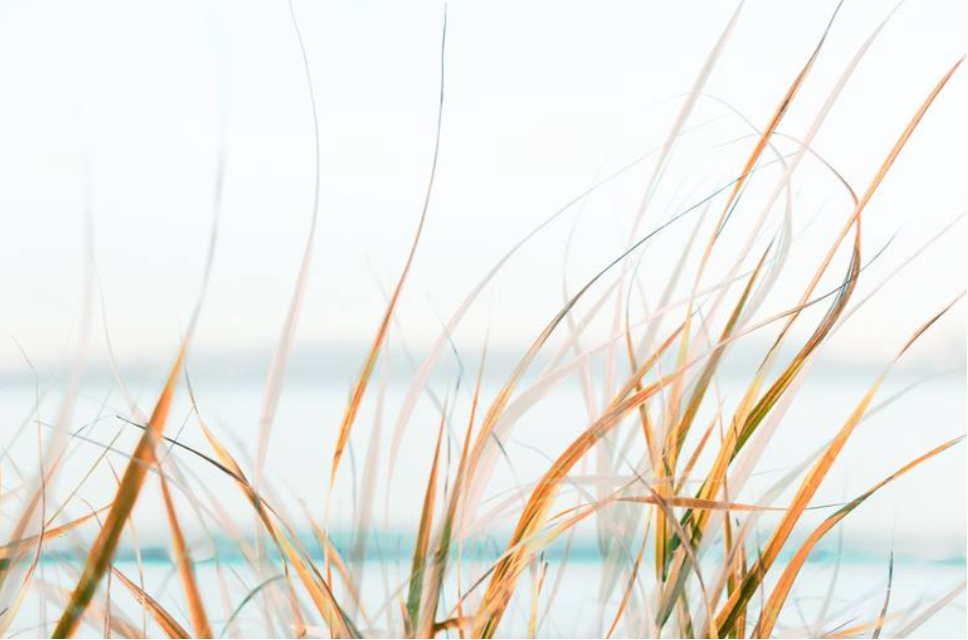
When I work on my impressionist series, my intention is not to show the landscape as it is, but as it is felt. A morning mist over a lake becomes a meditation on passing time; the frenetic swaying of tall grasses in the wind transforms into an ode to movement and to the ephemeral.
Expressing Your Own Vision
Creating images at the border between painting and photography requires accepting to let go. It is an exercise where you abandon perfect control to make room for the unexpected, the poetry of movement, and the magic of light. By daring to go beyond simply recording reality, you give your eye infinite freedom.
And you, what is your relationship with artistic blur?
Have you ever experimented with multiple exposure or intentional camera movement in your creations, or is it an approach that still intimidates you? Tell me in the comments, I would love to read your feedback and discuss your experiments!
Comments